
-
New in
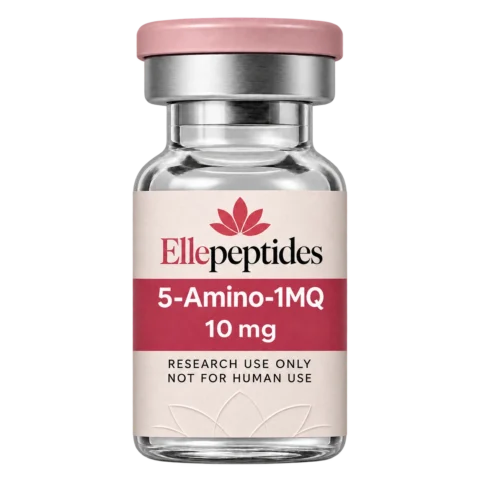
5-Amino-1MQ
5-Amino-1MQ (5-amino-1-methylquinolinium) is a small molecule, not a peptide, that inhibits the enzyme NNMT and is…
- Healthy Aging & Energy
- Research Peptides
-
New in
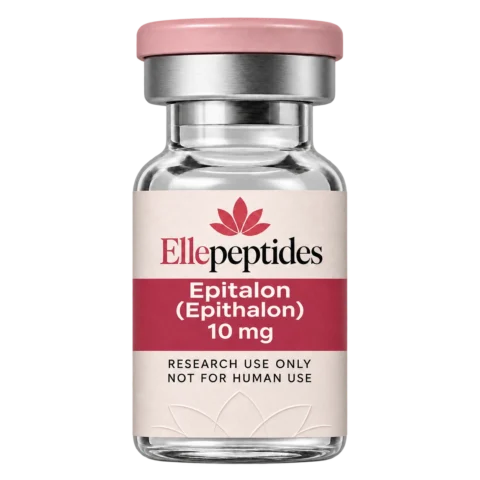
Epitalon (Epithalon)
Epitalon (Epithalon) is a synthetic tetrapeptide, Ala-Glu-Asp-Gly, studied for telomerase activity and aging biomarkers in cell…
- Healthy Aging & Energy
- Peptides for Women
-
New in
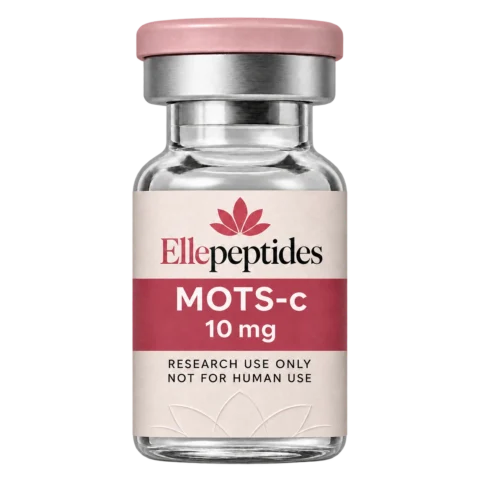
MOTS-c
MOTS-c is a 16-amino-acid mitochondrial-derived peptide studied in cellular energy sensing, insulin sensitivity and exercise biology.…
- Healthy Aging & Energy
- Research Peptides
-
New in
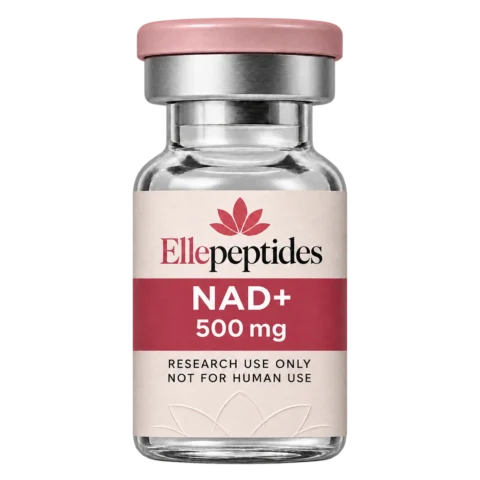
NAD+
NAD+ is the oxidized form of nicotinamide adenine dinucleotide, a coenzyme rather than a peptide, studied…
- Healthy Aging & Energy
- Peptides for Women
-
New in
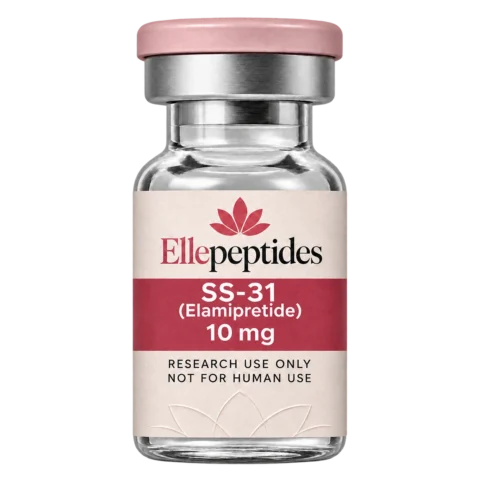
SS-31 (Elamipretide)
SS-31, also called elamipretide, is a synthetic tetrapeptide that binds cardiolipin in the inner mitochondrial membrane…
- Healthy Aging & Energy
- Research Peptides
-
New in
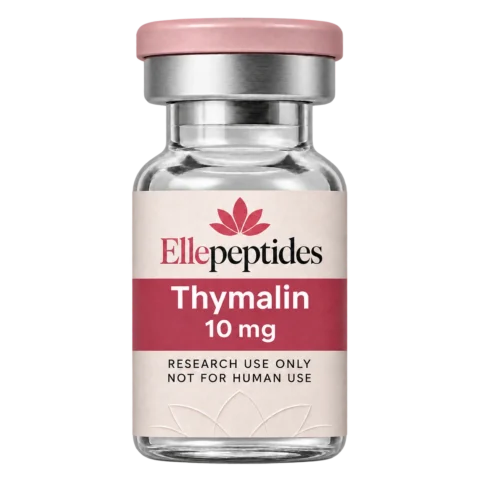
Thymalin
Thymalin is a thymic polypeptide preparation, described in the literature as a peptide complex rather than…
- Healthy Aging & Energy
- Research Peptides
What “energy peptides” means in the lab
In this category, energy means cellular energy metabolism: how mitochondria produce ATP, how the NAD+/NADH pair carries electrons and how enzymes such as AMPK sense a cell’s fuel status. None of the compounds here has been shown to make people feel more energetic. The published work measures pathways, biomarkers and, in a few cases, clinical endpoints in specific diseases.
Energy and metabolic research compounds compared
| Compound | Molecule type | Pathway studied | Human trial status | Sizes and listed price |
|---|---|---|---|---|
| MOTS-c | 16-amino-acid mitochondrial-derived peptide | Folate–purine metabolism, AICAR and AMPK energy sensing (Lee et al., 2015) | A 120-person trial listed as recruiting, no posted results (NCT07505745) | 10, 40 mg · from $100.00 |
| NAD+ | Dinucleotide coenzyme, not a peptide | Electron transfer; substrate for PARPs and sirtuins | Metabolite pilot in 11 men (Grant et al., 2019) | 500, 1000 mg · from $100.00 |
| SS-31 (Elamipretide) | Synthetic tetrapeptide | Binds cardiolipin in the inner mitochondrial membrane (Birk et al., 2013) | MMPOWER-3: 218 adults, primary endpoints not met | 10, 50 mg · from $70.00 |
| 5-Amino-1MQ | Small molecule, not a peptide | Inhibits NNMT, altering NAD+ and SAM levels in fat cells (Neelakantan et al., 2018) | None; cell and mouse work only | 10, 50 mg · from $66.99 |
| Epitalon (Epithalon) | Tetrapeptide (AEDG) | Telomerase activity in cultured cells (Khavinson et al., 2003) | None identified | 10 mg · $60.00 |
| Thymalin | Thymic polypeptide complex | Immune-cell differentiation markers | Small randomized COVID-19 study (2021) | 10 mg · $56.99 |
MOTS-c vs NAD+
MOTS-c is a peptide encoded in mitochondrial DNA. Its 2015 discovery study linked it to changes in folate and purine metabolism that raised AICAR, an AMPK activator; mice showed improved insulin sensitivity and resisted diet-induced obesity. Under metabolic stress, MOTS-c moved into the nucleus of cultured cells and influenced stress-response genes (Kim et al., 2018). In 10 young men, cycling raised muscle MOTS-c 11.9-fold, although that study measured the body’s own peptide (Reynolds et al., 2021).
NAD+ is not a signaling peptide but the oxidized form of a coenzyme; NADH is its reduced partner (NLM terminology). In a small pilot of 11 men, plasma NAD+ did not rise during the first two hours of the observation period but increased later. Precursors such as nicotinamide riboside and NMN are distinct molecules, so their trial results are not NAD+ results.
SS-31 and mitochondrial membranes
SS-31, also called elamipretide, interacts with cardiolipin, a lipid that shapes the inner mitochondrial membrane. Biochemical experiments and a rat kidney-ischemia model linked it to preserved membrane structure and ATP recovery. The clinical test was sobering: MMPOWER-3 randomized 218 adults with primary mitochondrial myopathy, and at 24 weeks elamipretide did not significantly improve walking distance or the fatigue score (Karaa et al., 2023).
5-Amino-1MQ: an NNMT inhibitor, not a peptide
5-Amino-1MQ blocks nicotinamide N-methyltransferase, the enzyme that methylates nicotinamide. In diet-induced obese male mice, investigators reported lower body weight and white-fat mass without reduced food intake. A later aged-mouse injury model found more muscle-stem-cell activity and better contractile function after NNMT inhibition (Neelakantan et al., 2019). No human administration study was identified.
Women in energy and metabolic research
A 2019 study measured circulating MOTS-c in women with polycystic ovary syndrome and in healthy controls; eight weeks of moderate exercise did not change levels in either group (Ramanjaneya et al., 2019). MMPOWER-3 included 140 women among 218 participants. The Thymalin COVID-19 study had 16 women in its treatment group, and 5-Amino-1MQ was tested on orbital cells donated by patients, 12 of them women (2025 tissue study). None of these provides a women-specific treatment effect.
Energy peptides FAQ
What peptides are studied for energy and mitochondria?
The main ones here are MOTS-c, a mitochondrial-derived peptide linked to AMPK signaling, and SS-31, which binds the mitochondrial lipid cardiolipin. NAD+ and 5-Amino-1MQ are studied in the same pathways but are not peptides. Their evidence is mostly cellular and animal, with few completed human trials.
What is the difference between MOTS-c and NAD+?
MOTS-c is a 16-amino-acid peptide encoded in mitochondrial DNA and studied as a metabolic signal. NAD+ is a coenzyme that carries electrons in enzyme reactions and is consumed by enzymes such as sirtuins and PARPs. One is a messenger; the other is a working cofactor.
What does SS-31 do in mitochondria?
In laboratory work, SS-31 interacts with cardiolipin in the inner mitochondrial membrane, and in a rat kidney model it was linked to preserved membrane structure and ATP recovery. In people with primary mitochondrial myopathy, the MMPOWER-3 trial did not meet its walking-distance or fatigue endpoints.
Is 5-Amino-1MQ a peptide?
No. 5-Amino-1MQ, or 5-amino-1-methylquinolinium, is a small molecule that inhibits the enzyme NNMT. It appears in this catalog because it is studied in NAD-related metabolism alongside peptides. Its published evidence comes from cultured cells and mice, including diet-induced obese male mice.
Is NAD+ a peptide?
No. NAD+ is nicotinamide adenine dinucleotide in its oxidized form, a coenzyme built from nucleotides rather than amino acids. Ellepeptides lists it in 500 mg and 1000 mg vials because it is widely studied in metabolism and aging research alongside peptides such as MOTS-c.
Are there human trials of MOTS-c?
A registered trial, MOTS-MET, lists an estimated 120 adults with prediabetes and overweight or obesity, comparing investigational MOTS-c with placebo for 12 weeks; it showed recruiting status with no posted results. A completed phase 1 study tested CB4211, an analogue, not native MOTS-c (NCT03998514).
Related categories: Anti-aging & longevity · Weight loss peptides · All research peptides. For laboratory research only. Not for human or veterinary use.