

Lyophilized vs. reconstituted
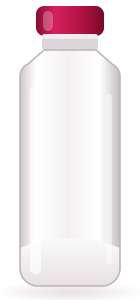
Lyophilized (powder)
- Stable for long-term storage
- Requires bacteriostatic water
- Store refrigerated or frozen
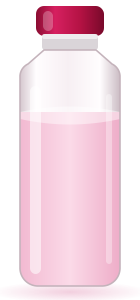
Reconstituted (solution)
- Ready for accurate dosing
- Keep refrigerated at all times
- Use within the recommended window
Peptide reconstitution & laboratory FAQ
One milligram equals 1,000 micrograms. A 5 mg vial therefore holds 5,000 mcg, which is enough for twenty 250 mcg research doses.
Most protocols use 1.0 mL to 3.0 mL. More water lowers the concentration and makes the draw larger, which is easier to measure accurately on a U-100 syringe.
A U-100 syringe marks 100 units per millilitre; a U-40 marks 40. The same volume reads as a different unit count, so always match the calculator to the barrel you are using.
Bacteriostatic water contains 0.9% benzyl alcohol, which suppresses bacterial growth and lets a reconstituted vial be used across several draws rather than once.
Lyophilized powder is stable refrigerated or frozen and away from light. Once reconstituted, keep the vial refrigerated at all times and use it within the recommended window.
Every calculation assumes the vial holds the stated mass. Third-party testing for purity and potency is what makes that assumption — and the resulting dose — reliable.